
Our Restoration Services
Effective bush regeneration is a long-term ecological process that works with natural systems to restore ecosystem structure, function, and resilience. Every site is shaped by a complex interaction of vegetation communities, environmental conditions such as hydrology, climate and soils, historical and ongoing disturbance, and the relationships between plant and animal species. These interacting factors determine how an ecosystem responds to disturbances and how it recovers over time.
Our range of services are designed to restore natural areas and systems for long-term ecosystem resiliance and health.

Bushland Restoration Programs

Invasive Species Eradication

Native Revegetation Projects
Bush Regeneration
Weed Control
Assisted Regeneration
Targeted weed management and bush regeneration to restore native ecosystem function
-
Application of best-practice bush regeneration methods, including assisted natural regeneration and targeted weed control to promote recovery of native vegetation communities.
-
Identification and prioritisation of high-threat invasive species
-
Selective weed removal to protect native plants and soil stability at different stages of site restoration.
-
Restoration of rainforest remnants, riparian zones, wetlands and coastal ecosystems.
-
Best-practice methods tailored to site conditions and land use
-
Ongoing follow-up and maintenance to prevent reinfestation
Environmental Consultation & Site Restoration Plans
Providing practical ecological advice to support effective restoration planning and outcomes.
-
Advisory support on ecological restoration guided by industry standard assessment and best practices, project coordination and stakeholder engagement.
-
Guidance on compliance with environmental regulations and restoration standards
-
Site-specific restoration plans and best practice.
-
Development of site-specific restoration action plans, including baseline ecological assessments.
-
Monitoring of restoration progress through photo-documentation, drone photography, follow-up surveys, and adaptive management recommendations.
-
Restoration plans aligned with regulatory and funding requirements.
Riparian Restoration & Management
Riparian zones — the vegetated areas along creeks, rivers and waterways — are among the most ecologically important and vulnerable parts of the landscape. These areas are also highly prone to weed invasion due to disturbance, altered hydrology and seed movement along waterways.
-
Improving water quality through sediment and nutrient filtration
-
Reducing erosion and protecting soil and stream structure
-
Providing habitat corridors for wildlife movement
-
Assessment of riparian condition, erosion risk and ecological values
-
Strategic weed control using best-practice bush regeneration methods
-
Supporting aquatic ecosystems, fauna habitat and downstream catchment health
-
Increasing resilience to flooding, drought and climate extremes
Biodiversity & Revegetation Services
Reintroducing locally appropriate native species to rebuild structure and habitat.
-
Revegetation planting programs using locally appropriate native species to rebuild structural diversity and habitat connectivity.
-
Local provenance native plant seed propagation to maintain genetic integrity and ecological resilience
-
Propagation and establishment of rare and threatened plant species
-
Revegetation designed to increase species diversity, structural complexity and biodiversity
-
Tubestock planting and direct seeding tailored to site conditions and project goals
-
Selection of plant species based on ecological context to support fauna habitat, and long-term ecosystem function.

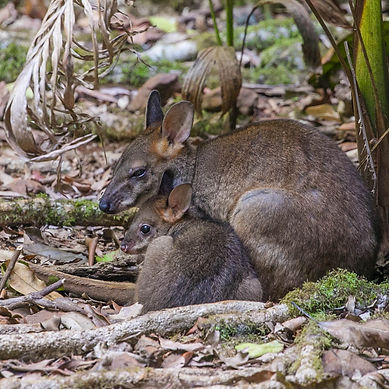
Nest Box Installation
Fauna Monitoring Habitat Planting
Habitat restoration, provenance
-
Revegetation planting programs using locally appropriate native species to rebuild structural diversity and habitat connectivity.
-
Selection of plant species based on ecological context to support fauna habitat, soil stability and long-term ecosystem function.
-
Integration of planting with ongoing weed management and monitoring for sustainable outcomes.
Flora & Fauna Surveys / Species Identification
Threatened Species Management
Habitat restoration, provenance
-
Field surveys to identify native plant communities and fauna presence.
-
Weed and pest species identification to prioritise control actions.
-
Documentation of biodiversity values to inform management planning and compliance.


Workshops
Community Engagement
Providing practical ecological advice to support effective restoration planning and outcomes.
-
Advisory support on ecological restoration best practices, project coordination and stakeholder engagement.
-
Guidance on compliance with environmental regulations and restoration standards.
Mapping, GIS, Aerial photography
Extra Monitoring Services
-
Tracking restoration progress through GIS Mapping.
-
Aerial drone mapping and high-resolution imagery to support project planning, weed mapping and post-implementation monitoring.
-
Creation of geo-referenced visual records to demonstrate progress and ecological outcomes.

