
A Bush Regenerators View of Environmental Management

Updated: Feb 27
Best-practice weed management is selective, minimal, and strategic. This includes choosing the right control method, timing works to avoid impacts on natives and fauna, and minimising off-target damage to soil and surrounding vegetation.
Bush regeneration is not a one-off task. It requires follow-up, monitoring, and adaptive management. Professionals adjust techniques as a site responds, ensuring short-term actions support long-term outcomes.
What looks like “scrubby growth” or “regrowth” may be critical habitat, soil stabilisation, or future canopy species. Untrained removal of native vegetation, even with good intentions, can set a site back decades.
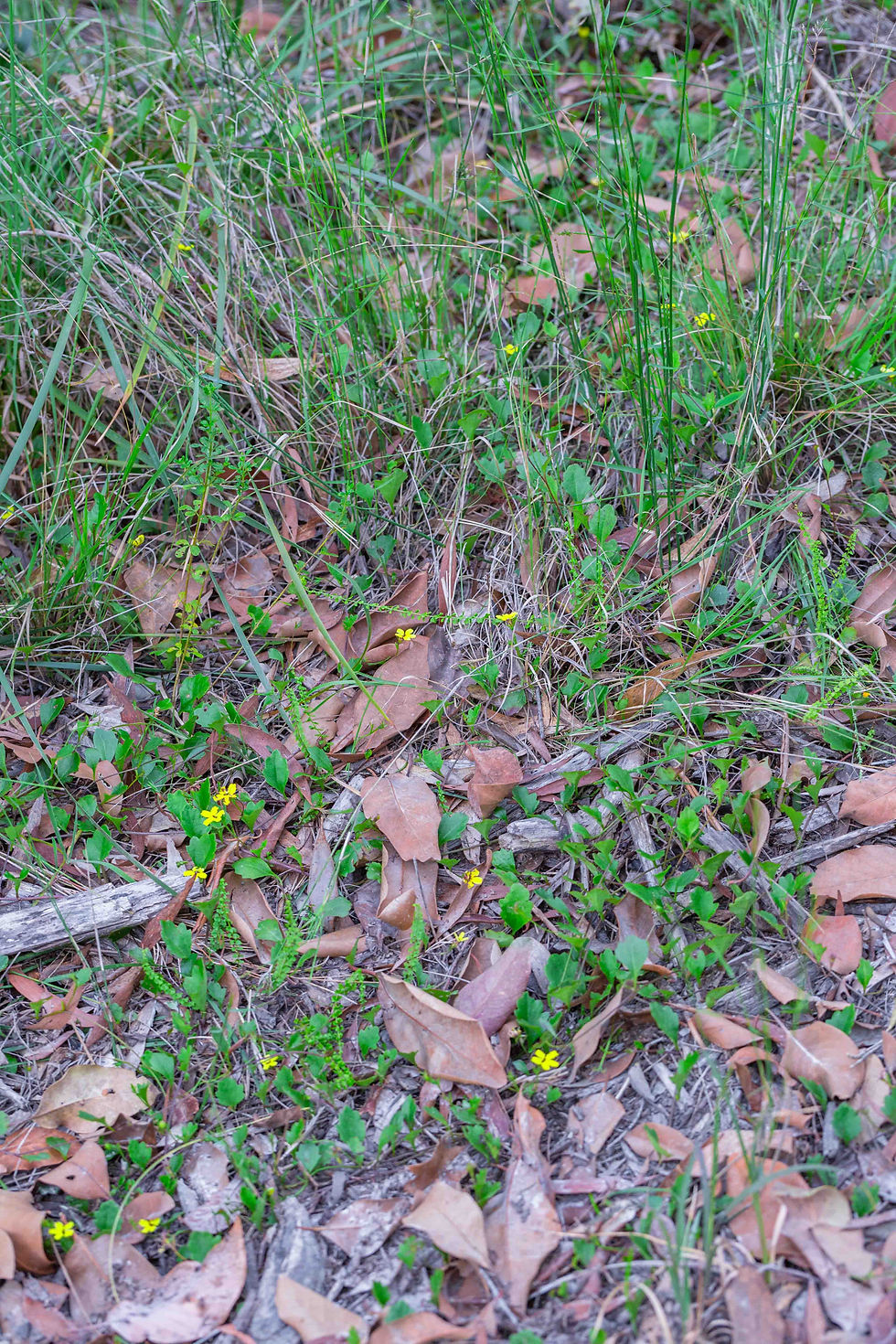
Northern NSW is one of Australia’s most biologically rich regions — a living archive of ancient forests, evolving ecosystems, and highly specialised species. Protecting and restoring this biodiversity isn’t just about aesthetics or individual sites; it’s about safeguarding entire ecological networks that have taken millions of years to develop.
Northern NSW is particularly rich in plant biodiversity. Within a short distance, northern NSW supports an incredible diversity of vegetation communities, including:
Subtropical, littoral and warm temperate rainforests
Dry rainforest (vine thicket)
Eucalypt forests and woodlands
Wallum heathlands and sedgelands
Coastal wetlands, floodplains, and estuaries
Riparian forests and freshwater wetlands
Montane vegetation
Rainforests here contain ancient Gondwanan lineages from families such as Proteaceae, Myrtaceae, Lauraceae, and Araucariaceae. Many species have extremely restricted distributions, sometimes limited to a single catchment or mountain range.
The region also supports:
High numbers of endemic plant species
Numerous threatened ecological communities
Rare soil-specialist flora tied to basalt, rhyolite, or sandstone substrates
Lowland ecosystems — especially floodplain forests and coastal swamp forests — have been heavily cleared, making their remaining fragments disproportionately important for conservation.
This tight mosaic of habitats is a big reason the region supports such a high number of species.
This botanical diversity underpins equally rich fauna communities. Northern NSW supports:
Arboreal mammals like gliders and possums
Microbats dependent on hollow-bearing trees and intact riparian corridors
Amphibians with highly specific moisture and breeding requirements
A wide diversity of birds tied to rainforest, woodland, and wetland habitats
Many species rely on connectivity between ecosystems — moving between forests, wetlands, and rivers as conditions change. This makes landscape-scale conservation and careful land management essential.
The sheer complexity of biodiversity in northern NSW means there is no one-size-fits-all approach to restoration. Successful bush regeneration here depends on:
Deep local plant knowledge
Understanding of site history and soil types
Respect for natural regeneration processes
Long-term, adaptive management
When done well, regeneration work can reconnect habitats, protect rare species, and rebuild ecological resilience.
Trained Bush Regeneration Professionals
Have formal training in bush regeneration, ecology, botany, or environmental management
Can accurately identify native and exotic species year-round
Understand ecosystem dynamics and succession
Apply industry best-practice methods and ethical standards
Work within environmental legislation and safety requirements
Focus on long-term ecological outcomes, not short-term visual results
Untrained or Non-Specialist Operators
Often focus solely on weed removal
May misidentify native species, especially seedlings
Use one-size-fits-all approaches
Risk damaging soil, seedbanks, and habitat
Can unintentionally increase weed invasion
Typically aim for quick visual “tidiness” rather than ecological health
Why This Difference Matters
Poorly executed bush regeneration can:
Remove rare or locally significant native species
Destroy habitat for threatened fauna
Increase erosion and weed dominance
Waste funding and community effort
Lock sites into long-term degradation
Why This Biodiversity Is So Vulnerable
Despite its richness, northern NSW biodiversity is under intense pressure from:
Land clearing and fragmentation
Lack of successional generations and genetic integrity and healthy populations for repoduction.
Altered fire regimes
Invasive weeds and feral animals
Hydrological changes
Degraded catchments with high weed invasion and erosion
Climate change increasing heat, drought, and extreme rainfall

Comments